Kyle TX AC (888) 217-3739

An independent phone line that connects homeowners in Kyle, TX and nearby Hays County towns with heating and cooling contractors.

Dripping Springs · Hays County

AC and heating repair in Dripping Springs, TX

AC, heat pump and furnace calls from Dripping Springs, TX (78620). Tell the dispatcher what the system is doing and roughly when it went in; the call is routed to an independent contractor working that ZIP code, if one is available.

Call (888) 217-3739

The line is answered 24/7. Visits depend on which contractors are working your ZIP code.

How a call from here works

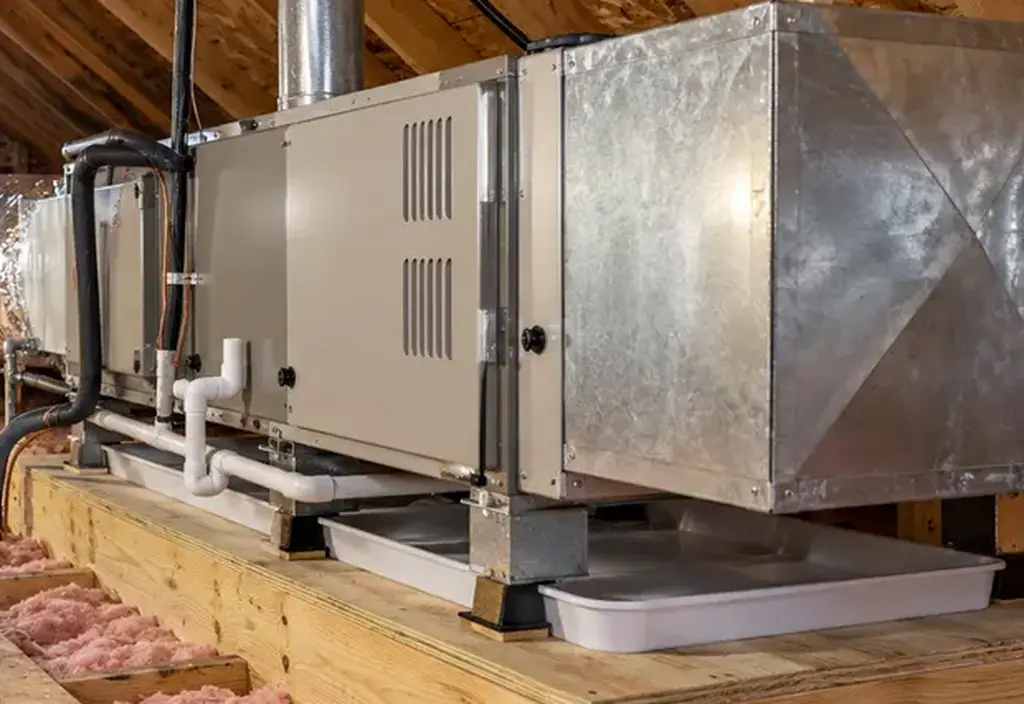
1. Say what the system is doing Not cooling, not heating, iced lines, water at the attic unit, a breaker that trips. Add the thermostat setting and what the house actually reads.
2. A contractor is matched by ZIP code The line routes the call to an independent heating and cooling contractor taking work in that ZIP code. Coverage shifts during the day; a match is not promised.
3. Visit, findings and figure come from that contractor The contractor books the visit, diagnoses the system and quotes any repair or replacement. This site sets no figures and sends nobody.

The 78620 ZIP code around Dripping Springs, on US 290 at the northwest edge of Hays County, is mostly owner-occupied single-family homes: about 86% owner-occupied and 86% detached (Census ACS 2020–2024). Heat comes from three sources here, not two.

Three kinds of heat

About 62% of households in 78620 heat with electricity, about 18% with natural gas and about 17% with propane. Which one a house has usually depends on whether a gas line reaches the street. Say which one you have early in the call: a propane furnace, a natural gas furnace and a heat pump each need different parts and checks.

A spread of housing ages

The median home in 78620 dates to 2007. About 43% of homes were built in 2010 or later, about 21% in 2000–2009, and about 18% in the 1990s. That spread means calls range from a drain line on a new system to a full replacement on a house that has not changed its equipment in twenty years.

Houses from the 1990s and 2000s are on the original system or their first replacement. Many systems installed before about 2010 run on R-22, which has not been produced since 2020.

Houses from the 2010s run R-410A, and are entering the years when compressors and attic coils start to fail.

Larger houses, longer duct runs

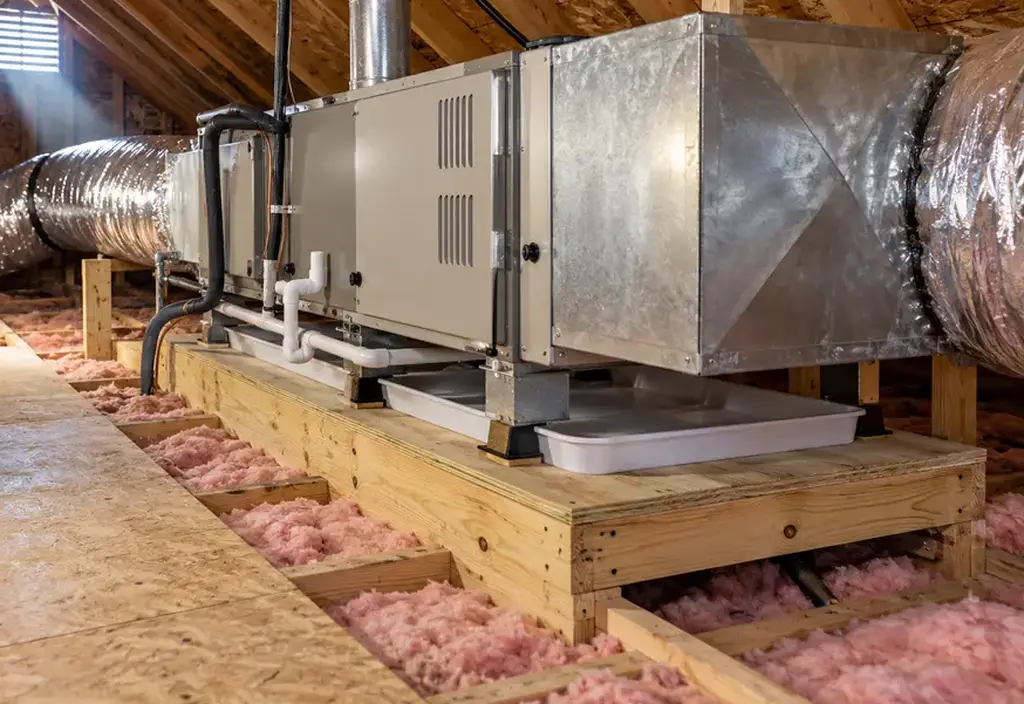
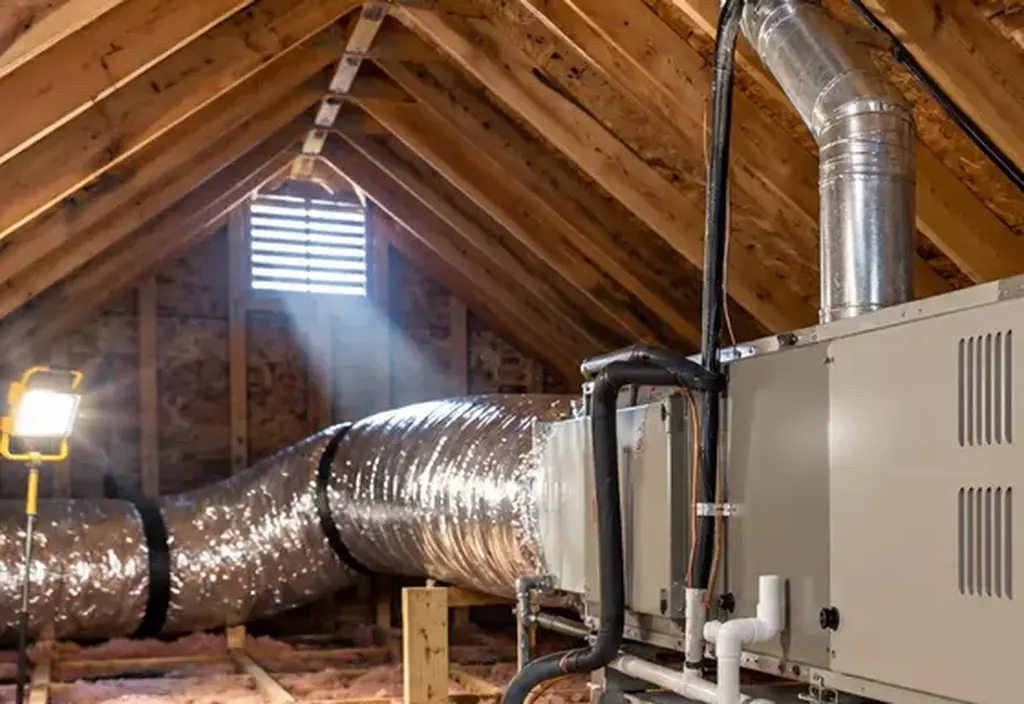
Homes here run larger than in Kyle: the median home in 78620 has 6.8 rooms against 5.8 in Kyle (Census ACS 2020–2024). Larger houses mean two systems or long attic runs to far rooms. A room that never cools is often a duct problem rather than an equipment problem.

Weather

The San Marcos station, the nearest with NOAA 1991–2020 normals, averages about 117 days a year at 90°F or above and about 20 nights at or below 32°F. Dripping Springs sits higher and farther north, so treat those as approximate.

What to tell the dispatcher

  • Heat pump, natural gas furnace or propane furnace
  • Which system, if there are two, and its install year
  • What it is doing, and the thermostat setting and reading
  • Your address and ZIP code, and any gate code

Permits and licensing

Dripping Springs runs its own permit office, and much of 78620 is outside city limits. Ask the contractor what applies, and check its TDLR license number before work starts.

Have the install year and the thermostat reading ready. Ask who is taking calls in your ZIP code today.

(888) 217-3739

What is the system doing?

A burning smell the first time the heat comes onA dusty smell the first time the heat runs in a Kyle, TX house is usually normal. An electrical smell, one that lingers, or a CO alarm is not.
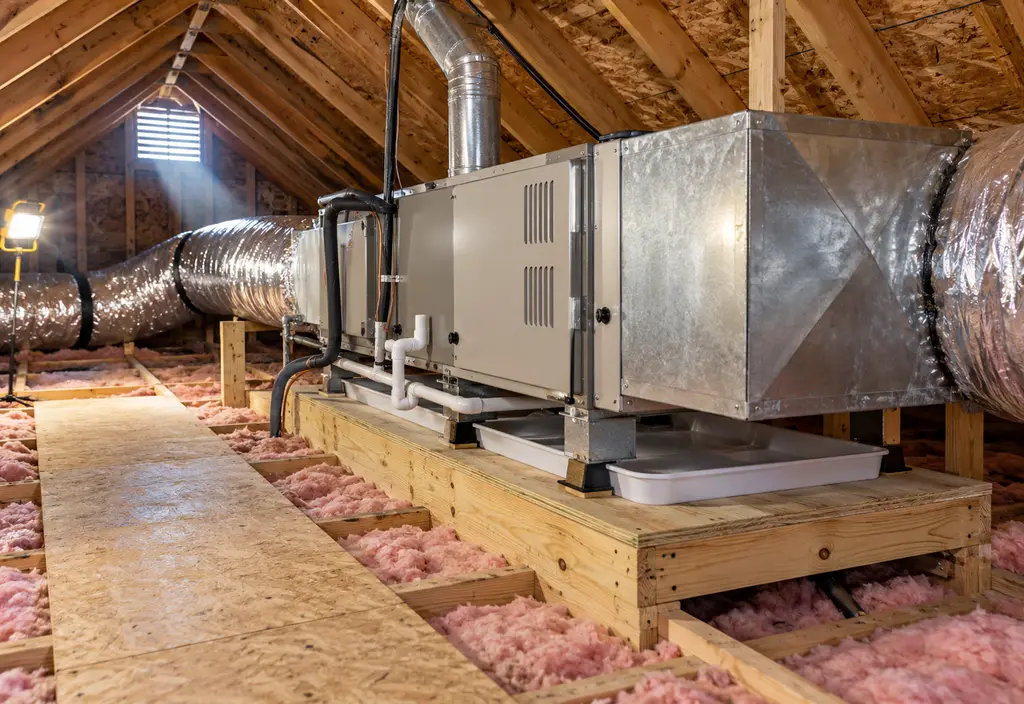
A ceiling stain or water dripping under the attic AC unitA ceiling stain or dripping water under the attic air handler in Kyle, TX usually means a clogged condensate drain or a full drain pan. What to do and what to ask.
Ice on the copper line or the attic unit in JulyFrost on the copper line or ice in the attic unit in a Kyle, TX summer means airflow or refrigerant trouble. What to do now and what a technician checks.
The AC runs all afternoon and the house keeps getting warmerThe AC runs nonstop and the house climbs past the setting every afternoon in Kyle, TX. What separates a weak system from a failing one, and what to report.
The furnace will not light on the first cold nightGas furnace in the attic won't light, or lights and shuts off, on the first cold front in Kyle, TX. What usually failed and what to tell the dispatcher.
The heat pump is stuck on aux or emergency heatHeat pump showing aux heat all the time in Kyle, TX, or stuck on emergency heat? What is normal on a cold night, what is a fault, and what to report.
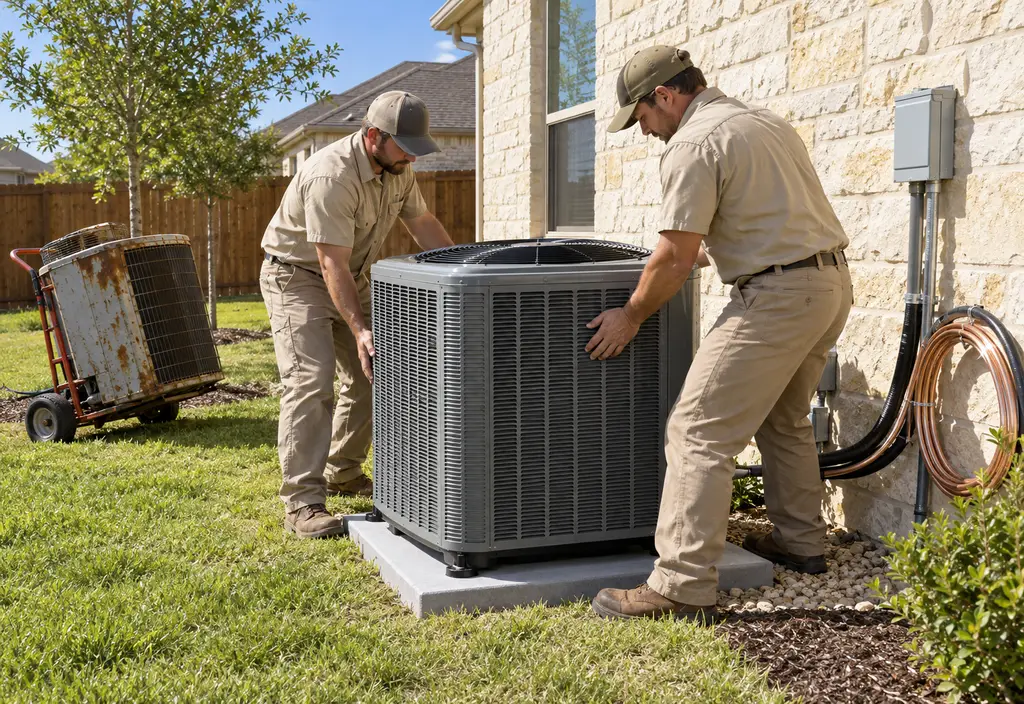
The house still has the system the builder installedStill running the AC and furnace the builder installed in a 2000s Kyle, TX house? How to find its age and refrigerant, and when replacing it makes sense.
The outdoor heat pump is covered in iceOutdoor heat pump iced over in a Kyle, TX cold snap? Light frost is normal; a solid block is not. What defrost does, what fails, and what to do now.
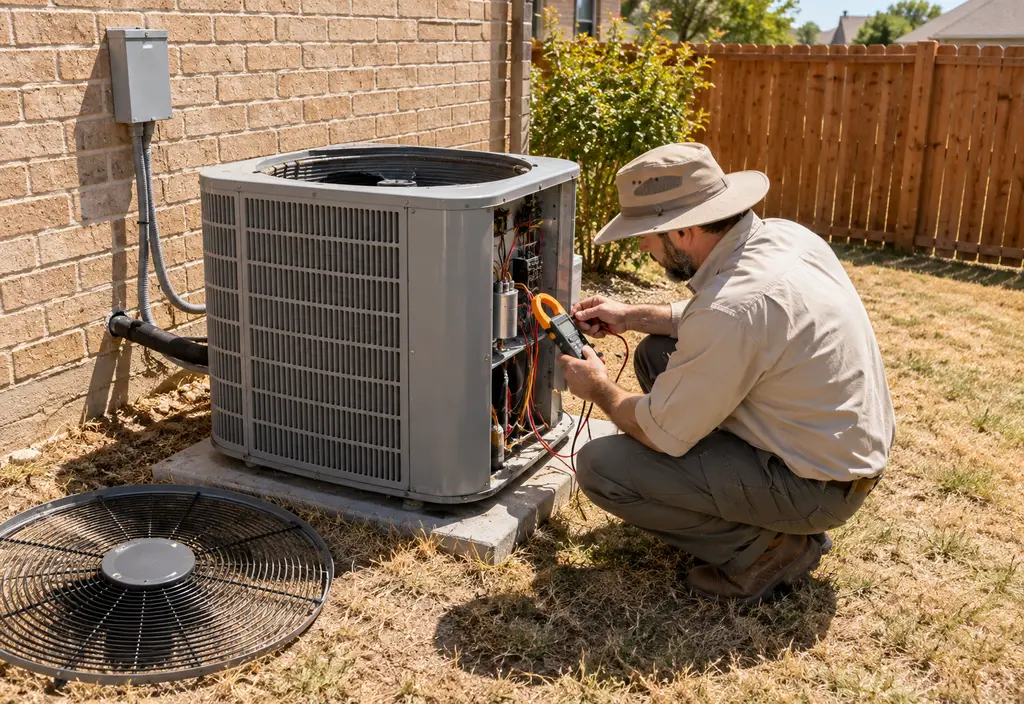
The outdoor unit hums, but the fan does not spinThe outdoor AC unit hums but the fan won't start in Kyle, TX heat. Usually a capacitor; sometimes the compressor. What to do and when it means replacement.
The upstairs or one back room never cools downOne room or the whole upstairs stays hot while the rest of a Kyle, TX house cools. Attic ducts, returns and sizing: what a technician measures.

Updated

Call (888) 217-3739

Calls may be recorded.